français
 English
 Deutsch
 italiano
 español
 Envoyez-nous un email : sales@tourdecycling.com
catégories de produits

Que cherchez-vous?
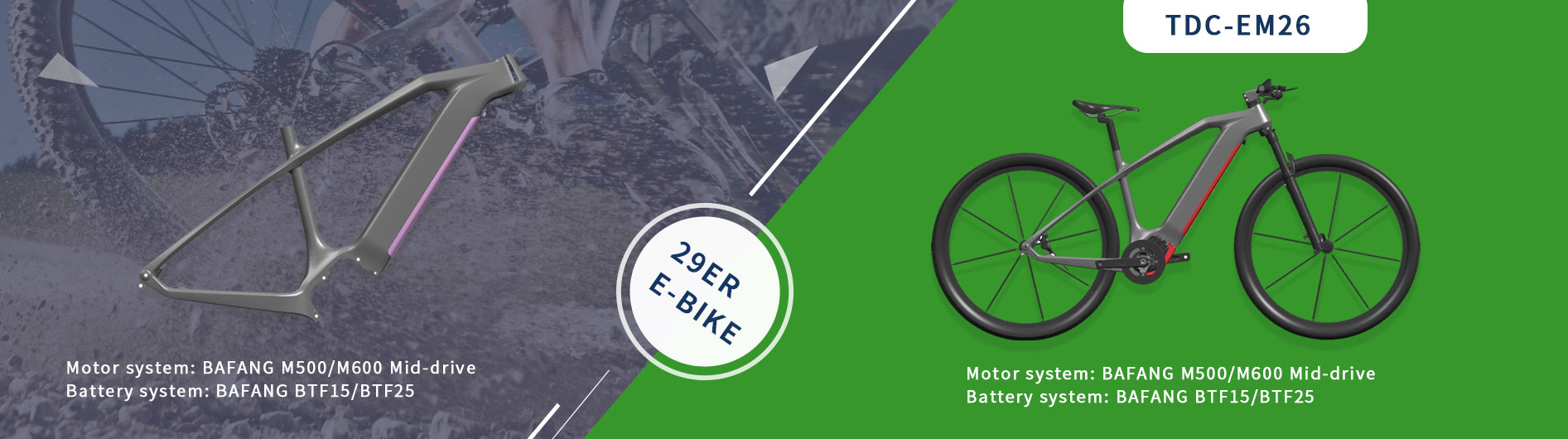
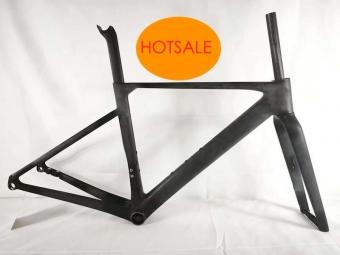
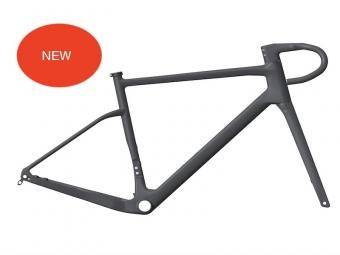
The road cycling industry is entering 2025 with several important updates to carbon road frame technology, as major brands release lighter, stiffer, and more aerodynamic models for the new season. These improvements are driven by advances in carbon fiber layups, updated resin systems, and more precise manufacturing methods.
Stronger and Lighter Carbon Materials
Manufacturers are now using a mix of high-modulus carbon fibers and new nano-reinforced resins to improve stiffness without sacrificing durability. These materials help reduce frame weight and increase power transfer, especially in the bottom bracket and head tube areas.
Improved Aerodynamics for Real-World Riding
Many 2025 carbon frames feature updated aero shaping based on real-world wind conditions. Brands are focusing on airflow around the downtube, fork, and seat tube to reduce drag at common yaw angles. Integrated cockpits and fully internal cable routing also contribute to cleaner, faster designs.
Greater Comfort Through Frame Compliance
Road cyclists can expect smoother rides thanks to redesigned seatstays and more flexible top tubes. Engineers continue to fine-tune vertical compliance, which helps reduce vibration on long rides without affecting lateral stiffness.
More Precision Through Automated Manufacturing
Robotic layup and bladderless molding are becoming standard in high-end carbon road frames. These methods improve accuracy, reduce excess resin, and create more consistent frame structures—leading to better performance and longer lifespan.
Rising Interest in Durable, All-Rounder Frames
While ultra-light frames remain popular, many brands are prioritizing strength and everyday ride quality. Most premium 2025 frames fall between 700–820 grams, offering a balanced mix of low weight, aerodynamics, and reliability.


 Réseau IPv6 pris en charge